
Whoa! This felt overdue. The moment I opened a web version of a Solana wallet, something clicked. My instinct said this was the next step for mainstream crypto adoption, though at first I wasn’t fully convinced. The speed is real, but more than that, the friction drops in ways that matter to everyday users and builders alike, and that shift is subtle and powerful.
Okay, so check this out—Phantom has always been sleek on desktop. The extension was fast. It felt native to the browser in a comfy, almost invisible way. But a web-first interface changes the calculus. Suddenly you can deep-link onboarding into a dApp, or embed a signing flow without forcing users to install an extension first. That matters. It lowers drop-off. It makes the onboarding funnel behave more like a conventional web flow. I know, it sounds small. But trust me—small UX wins compound quickly.
Here’s the strange part. At conferences, I kept hearing the same sentence: “Users don’t want to install another extension.” Seriously? That line stuck with me. Initially I thought wallet extensions were fine, though then I watched two separate non-technical people click away when prompted to add one. On one hand extensions offer security and convenience. On the other hand they introduce a gate that many people won’t cross. The web version addresses that split while keeping core security primitives intact, most of the time.
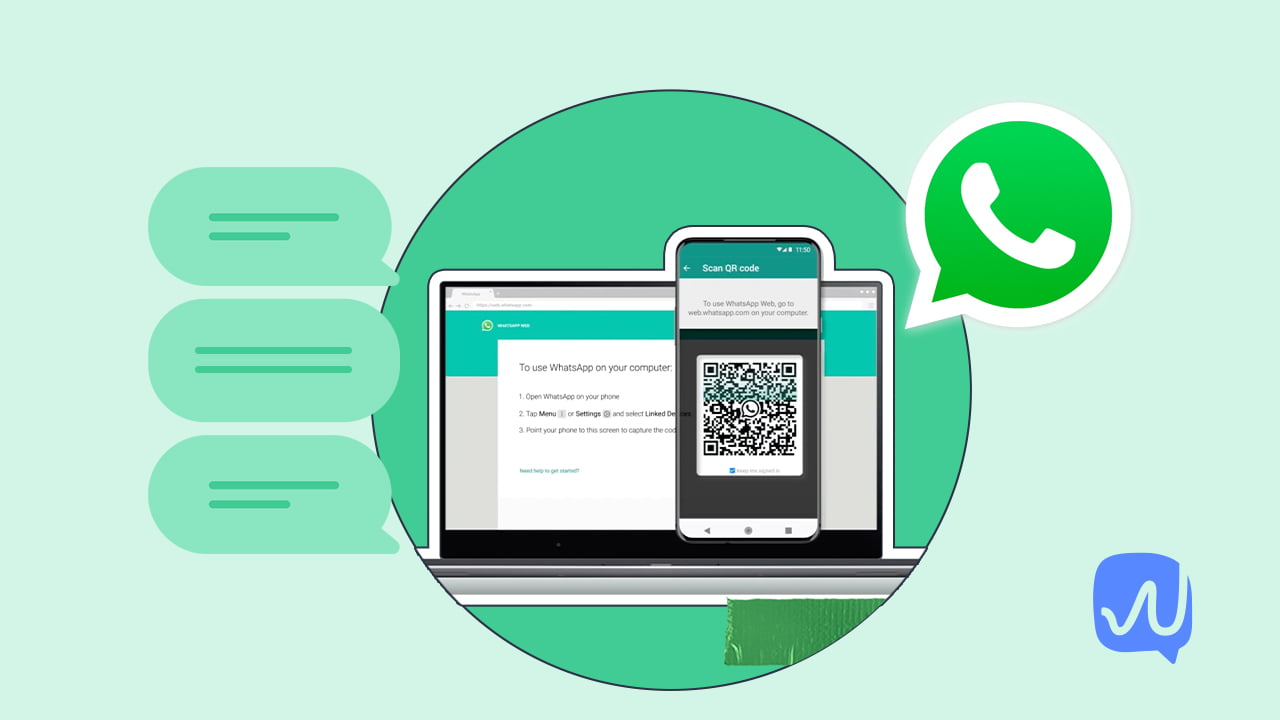
What the web version actually changes
First, onboarding feels like the web. No sudden context switch. No cryptic browser permission dance. You can arrive at a marketplace, connect with a friendly modal, and sign — all in a sequence that looks familiar to people used to OAuth. That reduces cognitive load. It also opens the door for better education moments inside the flow, so users learn as they act. I’m biased, but I think that’s huge.
Second, integration gets simpler for devs. Embedding a web wallet flow into a dApp removes the need for deep extension compatibility checks. Teams spend less time debugging provider injection differences and more time building product. Hmm… that said, web wallets introduce new attack surfaces, and you can’t pretend those don’t exist. You still need secure signing, session management, and clear user prompts. Don’t skimp on UX copy—bad wording causes costly mistakes.
Third, seamless NFT experiences. On Solana, NFTs are fast and cheap, and when you combine that with a web wallet you can craft almost impulse-grade flows for minting and trading. Users can discover a drop, connect, and claim an NFT in under a minute without installing anything extra. That’s a fresh user story. Early adopters will love it, and the casual browser might convert too. It’s not magic, but it’s close.
Now, let’s be candid about trade-offs. Web wallets sometimes require hosting sensitive state differently. Session tokens must be handled carefully. On extensions, private keys are compartmentalized by the browser context. On the web, you might rely on in-memory keys, secure enclaves, or external devices. Each choice forces architectural compromises. Initially I favored browser-held keys, but then realized hardware-backed signing or delegated signing for low-value actions can be smarter.
One tangible win is the ability to deep-link purchases. Imagine an email newsletter with a “Claim this NFT” button that opens a web wallet flow and finishes the claim without an install interruption. That reduces friction and raises conversion. Developers love analytics, and conversions tell the story. But analytics bring privacy considerations. Track carefully, anonymize aggressively, and be transparent—users notice when somethin’ feels off.
Security-wise, the fundamentals still hold. Phishing is the main vector. A web wallet can add contextual UI to show origin, nonce, and a human-readable intent. It can also display token metadata and a clear “why this transaction” explanation. These are design problems at heart, not just crypto ones. Still, the adversary evolves. On one hand web UX helps adoption; on the other, it gives attackers more illusionary legitimacy. Balance is essential.
Okay, quick personal anecdote—
I once watched a collector mint a Solana NFT from a mobile browser. They smiled, paid, and then left. No extension installed. They came back later and asked how to view the NFT in a wallet. That moment bugged me; we had created a great funnel but a weak retention path. The fix was simple: embed a recover/claim link tied to email plus optional key recovery using passphrases. Not perfect. But practical. And yes, there are trade-offs again.
How to think about UX, security, and trust
Trust is earned through small interactions. Show intent. Use clear language. Provide an escape hatch. Those things may feel like marketing, but they’re actually security design. Users will trade convenience for clarity if you give them both. Initially I thought more warnings would help, but then I realized that too many modals just teach users to click through. So the better move is precise prompts: one clear reason, one clear action.
If you’re building on Solana, consider hybrid models. Keep a lightweight web experience for onboarding and lower-value flows, and route high-value transactions through more secure channels—extensions, hardware wallets, or multi-sig. That layered approach gives you a practical compromise. It’s not elegant, but it works. Real products tend to be messy, and that’s okay.
Also, developer ergonomics matter. Tooling that mimics windowed wallets but exposes JS SDKs for web signing will speed adoption. Doc pages should show short snippets and full examples. Real-world teams want copy-pasteable code. This part doesn’t get enough love, though it decides whether your web wallet is used or ignored.
One more practical note: NFTs on Solana can embed royalty enforcement and metadata that is easy to validate on the client. Use that. Render token provenance in the connect modal or the transaction summary. When users see provenance, they relax. That subtle trust signal can increase conversion for higher-ticket collectibles.
Common questions
Is a web Phantom wallet as secure as the browser extension?
Not exactly the same. They can be comparably secure with proper design, but their threat models differ. Web wallets need strong session management and careful handling of private keys. For life-changing sums, prefer hardware or extension-backed signing. For everyday use and NFTs, a well-designed web flow is often fine.
Will web wallets replace extensions?
Probably not entirely. They will coexist. Web wallets lower the adoption bar and extend reach, while extensions and hardware will continue to serve high-security use cases. Personally, I think web wallets will be the front door, not the whole house.
How do I try this today?
If you want to see a polished web-first wallet flow in action, check out the phantom wallet experience and try a demo on a testnet marketplace. Play around, break things, and you’ll learn fast.